A Quiet Hurricane Season and a Super El Niño

What North Florida Pool Owners Can Expect This Winter

swymwyse author

Swym Wyse Pool Care Team

CPO-Certified · Serving the Florida Panhandle
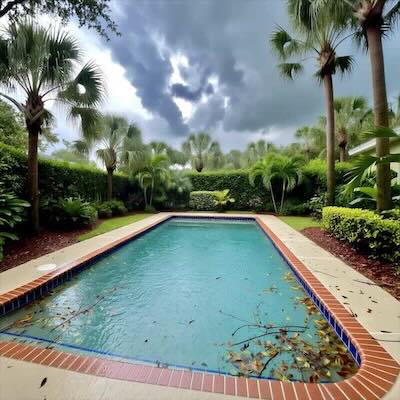
el niño winter

For pool owners in Bay County and along the Emerald Coast, early fall usually means one thing: watching the tropics. This year, the tropics have been strangely quiet. As of late September, not a single Atlantic hurricane has formed in 2026. That hasn’t happened this deep into the season in more than a century. Last year, no hurricane made landfall in the United States either.

The reason for the calm is the same force that’s about to shape our winter: an El Niño that forecasters now rank among the strongest ever recorded. Here’s what that’s likely to mean for your pool over the coming months, and how to stay ahead of it.

Why the Tropics Went Quiet

El Niño is a warming of the Pacific Ocean near the equator. It sounds far away, but it changes wind patterns all the way across the Atlantic. During an El Niño, strong upper-level winds tend to tear apart developing storms before they can organize into hurricanes. This year’s El Niño is so strong that those winds have been howling across the Atlantic all summer.

One honest caveat: hurricane season officially runs through November 30. Late-season storms can still form in the Gulf, where El Niño’s protective effect is weaker. It’s too early to call the season over, so keep your usual storm plan in place until December.

What El Niño Means for a Panhandle Winter

El Niño’s biggest effect on Florida isn’t in hurricane season. It’s in winter. A strong El Niño typically pushes the storm track south, right across the Gulf Coast. For North Florida, that usually means:

  • More rain. Wetter than normal conditions from late fall through early spring are the most reliable El Niño signal in our area.
  • Cloudier, cooler days. All that cloud cover tends to keep daytime highs below average.
  • Fewer extreme freezes. Cooler on average doesn’t mean colder at the extremes. El Niño winters tend to bring fewer hard freezes than usual, though a cold snap is still possible.
  • More frequent storm systems. A steady parade of cold fronts and Gulf low-pressure systems, some with gusty winds and the occasional severe thunderstorm.

Forecasters expect this El Niño to peak around the end of the year and linger into spring 2027. So these conditions could stick around for months, not weeks.

Our Predictions for North Florida Pools This Winter

Based on how pools in our area have behaved in past El Niño winters, here’s what we expect Panama City, Panama City Beach, Lynn Haven, Chipley, and 30A pool owners to run into.

1. Rain Will Be the Biggest Chemistry Challenge

Every heavy rain adds fresh water to your pool. That dilutes your chlorine, alkalinity, and stabilizer, and in saltwater pools it lowers your salt level too. Rainwater is also slightly acidic, so repeated storms can push your pH around.

Rain also raises your water level. When water rises above the middle of the skimmer opening, the skimmer can’t pull debris off the surface properly. After a big storm, you may need to lower the water level to get circulation working right again.

Then there’s runoff. Rain washing off lawns, planters, and patios carries dirt, fertilizer, and phosphates into the pool. Phosphates are food for algae. A wet winter can quietly load your water with the nutrients algae need to take off once temperatures warm up.

Our prediction: pools that go more than a few days after a heavy rain without testing and rebalancing will be the ones fighting cloudy or green water this winter.

2. Algae Won’t Take the Winter Off

It’s easy to assume a cool winter means algae stops being a problem. Cooler water does slow algae growth, but it doesn’t stop it. North Florida winters include plenty of mild stretches between fronts. If a warm spell follows a heavy rain that has diluted your chlorine, algae can gain a foothold fast.

There is a small silver lining. Cloudy days mean less sunlight, and sunlight breaks down chlorine. So chlorine may last a little longer between rains. But in a wet El Niño winter, rain dilution will usually outweigh that benefit.

3. More Debris, and More Work for Your Filter

A steady stream of cold fronts means a steady stream of wind. Expect more leaves, pine needles, twigs, and oak tassels in the pool than a typical winter brings. This is especially true inland around Chipley and Lynn Haven, and anywhere with mature trees overhanging the pool.

All that debris fills skimmer baskets and pump baskets faster. Whatever the baskets don’t catch ends up in your filter, pushing filter pressure up and reducing circulation. Poor circulation is one of the fastest routes to cloudy water.

Our prediction: filters will need cleaning or backwashing more often than usual this winter, and neglected baskets will be a common cause of pool problems.

4. Saltwater Pools Will Need Extra Attention

Saltwater pools face a double hit this winter. First, rain dilutes the salt, which can drop levels below what your system needs. Second, many salt chlorine generators produce less chlorine, or shut off entirely, when water temperatures drop into the low 60s or below. Cooler, cloudier days will push water temperatures down sooner and keep them there longer.

Our prediction: many salt pool owners will need to supplement with added chlorine during the coldest stretches, even if their system usually handles everything on its own.

5. Heated Pools Will Cost More to Run

If you heat your pool for winter swimming, cloudy days mean less free warmth from the sun. Your heater will likely run longer to hold the same temperature. A solar cover is the simplest way to cut that cost. It holds heat in overnight and keeps some debris out between rains.

6. Freeze Risk Is Lower, But Not Zero

El Niño winters tend to spare North Florida the worst cold snaps, but that’s a tendency, not a guarantee. Have a plan for freezing nights anyway. The key rule: moving water doesn’t freeze easily, so keep your pump running when temperatures approach freezing. Many modern systems have freeze protection built in. It’s worth confirming yours is set up before the first cold front of the season arrives.

Your El Niño Winter Pool Checklist

A little routine care goes a long way in a wet winter. Here’s what we recommend:

  • Test after every heavy rain. Check chlorine and pH within a day or two of a big storm, and rebalance as needed.
  • Watch your water level. If rain pushes the water above the middle of the skimmer opening, lower it.
  • Empty baskets often. Check skimmer and pump baskets after every windy front, not just on your regular schedule.
  • Keep an eye on filter pressure. A rising pressure reading is your cue to clean or backwash the filter.
  • Brush walls and steps. Brushing breaks up algae before it can take hold, especially in shady corners with poor circulation.
  • Trim overhanging branches. Less overhead foliage means less debris in the pool when the wind picks up.
  • Check salt levels after big rains if you have a saltwater system, and be ready to add chlorine when the water gets cold.
  • Confirm your freeze plan before the first cold snap.
  • Keep the pool open. In our climate, pools stay open year-round. Consistent care through the winter is much easier than a spring cleanup.

The Upside of an El Niño Winter

Not everything about this winter is a challenge. Much of Florida has been dry since late 2025, and a wet winter should help ease that. Cooler water also slows the rapid chlorine loss and explosive algae growth we fight every summer. And if the rest of hurricane season stays quiet, Bay County pool owners get a year without the storm debris, power outages, and green-pool recoveries that usually follow a direct hit.

The pools that come through this winter in the best shape will be the ones that get steady, consistent care, especially after every round of rain.

Let Swym Wyse Handle the Weather

A wet, stormy winter means more testing, more basket-emptying, and more chemistry adjustments than usual. Our CPO-certified technicians handle all of it on every weekly visit: skimming, brushing, vacuuming, basket cleaning, water testing, and chemical balancing, with chemicals included.

We serve homeowners in Panama City, Panama City Beach, Lynn Haven, Chipley, Inlet Beach, Santa Rosa Beach, and surrounding communities. Call us at (850) 774-5681 or email info@swymwyse.com for a free quote, and let us keep your pool swim-ready no matter what El Niño brings.

El Niño and Your Pool: Frequently Asked Questions

Keep Reading

Pool Chemicals Explained: What Every Florida Panhandle Pool Owner Actually Needs

Six chemicals, one goal: safe, balanced water. Here’s what each one does, how much you really need, and how to store it without wrecking your garage.

Pool School for Pool Owners

Swym Wyse Pool School is a hands-on pool maintenance class at your own pool. A CPO-certified technician covers water chemistry, equipment care & cleaning.

Hurricane Season Pool Care: Before, During, and After the Storm

If you own a pool anywhere along the Florida Panhandle, hurricane season isn’t an abstract idea. Anyone who was in Bay County for Hurricane Michael in 2018 doesn’t need reminding of what a major storm can do.

Ready for Stress-Free Pool Ownership?

Pool maintenance shouldn’t eat into your free time. Hand it over to our CPO-certified team and get back to what your pool was always meant for — sparkling water, sunshine, and quality time with family and friends. Get your free quote today and discover why Bay County trusts Swym Wyse.

Swym Wyse Pool Cleaning & More

Phone Number

(850) 774-5681

OUR COMPANY

Location

2405 Ruth Hentz Ave Suite G, Panama City, FL 32405

Hours

Mon – Fri: 7AM – 5PM
Sat – Sun: Closed

Fully Licensed & Insured

Scroll to Top